
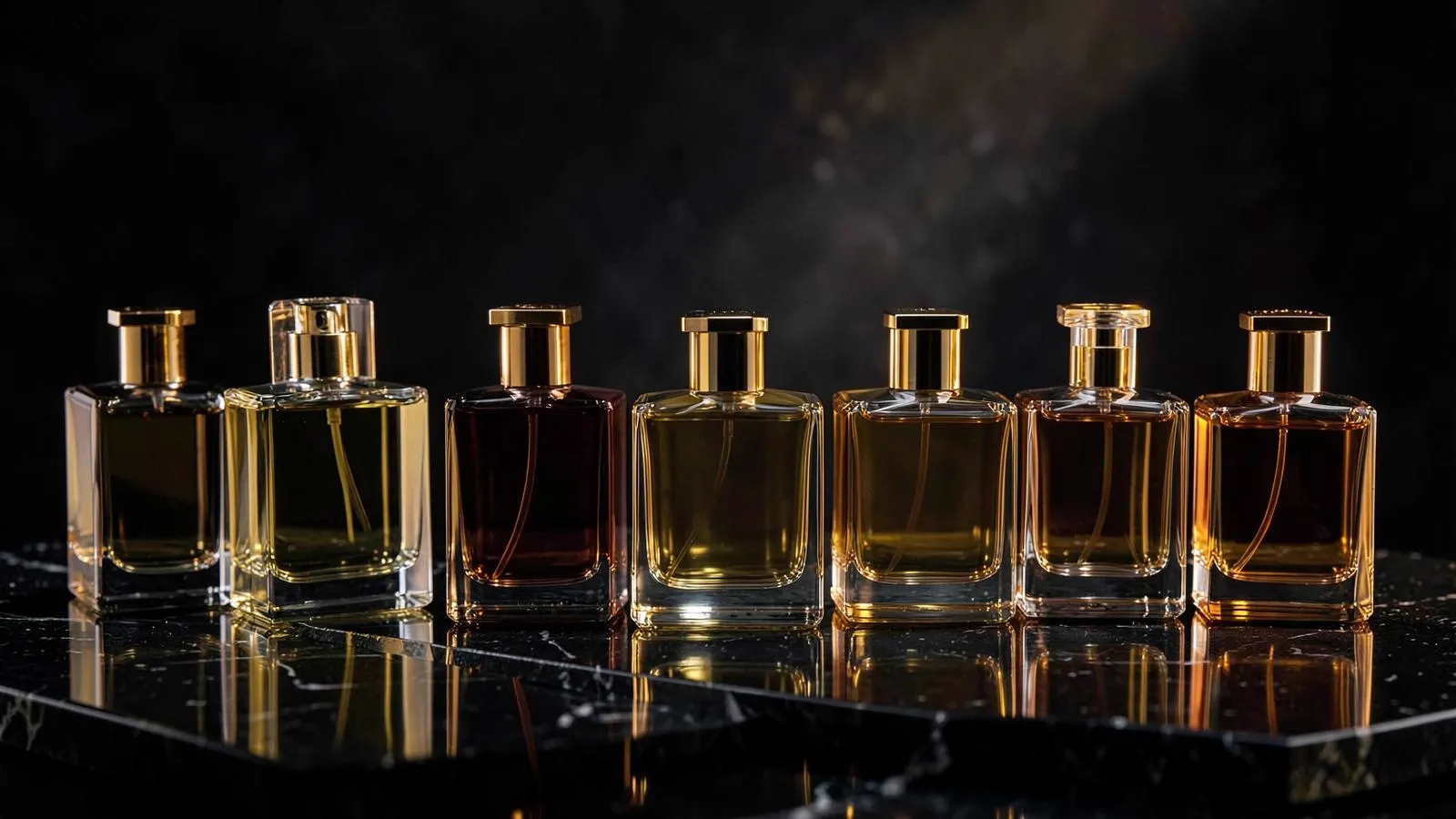
Every year someone declares that perfume has been "solved" - that everything smells the same, that the big houses have run out of ideas. Then a year like 2026 comes along and quietly proves otherwise. This was the year the loud, syrupy, room-filling sweetness of the early twenties finally started to relax. In its place we got skin scents with real depth, dry woods that behave themselves in an office, and florals that smell like actual flowers rather than fabric softener.
This page is our annual edit. It is long, because choosing a fragrance properly takes more than a list of ten names. You will find what changed this year, how we tested, the picks by category and occasion, the note trends worth knowing, and a practical method for landing on a bottle you will still like in six months. We do not sell anything here, so nothing on this page is trying to move stock.
What changed in perfume this year
The clearest shift in 2026 is volume. For roughly five years the market rewarded fragrances you could smell from the next room - dense vanilla, caramelised sugar, heavy amber. Those still sell, but the interesting releases this year pulled the volume knob back. Perfumers leaned into what the trade calls a "second-skin" effect: scents that sit close, warm up slowly, and reveal themselves to people standing near you rather than announcing you before you arrive.
The second change is texture. Instead of adding more sweetness, houses added contrast - a salty edge against vanilla, a dusty iris against amber, a green stem against a heady white flower. That contrast is what stops a fragrance becoming boring after a week. If a scent smells wonderful in the shop and dull by Thursday, it usually lacks exactly this.
Third, price transparency improved. More houses launched 10 ml and 30 ml formats, which changes how you should shop. You no longer have to gamble on a 100 ml bottle to live with a scent properly. Work out the cost per millilitre before you decide anything - our price per ml calculator does it in a few seconds, and the results are often surprising.
How we tested
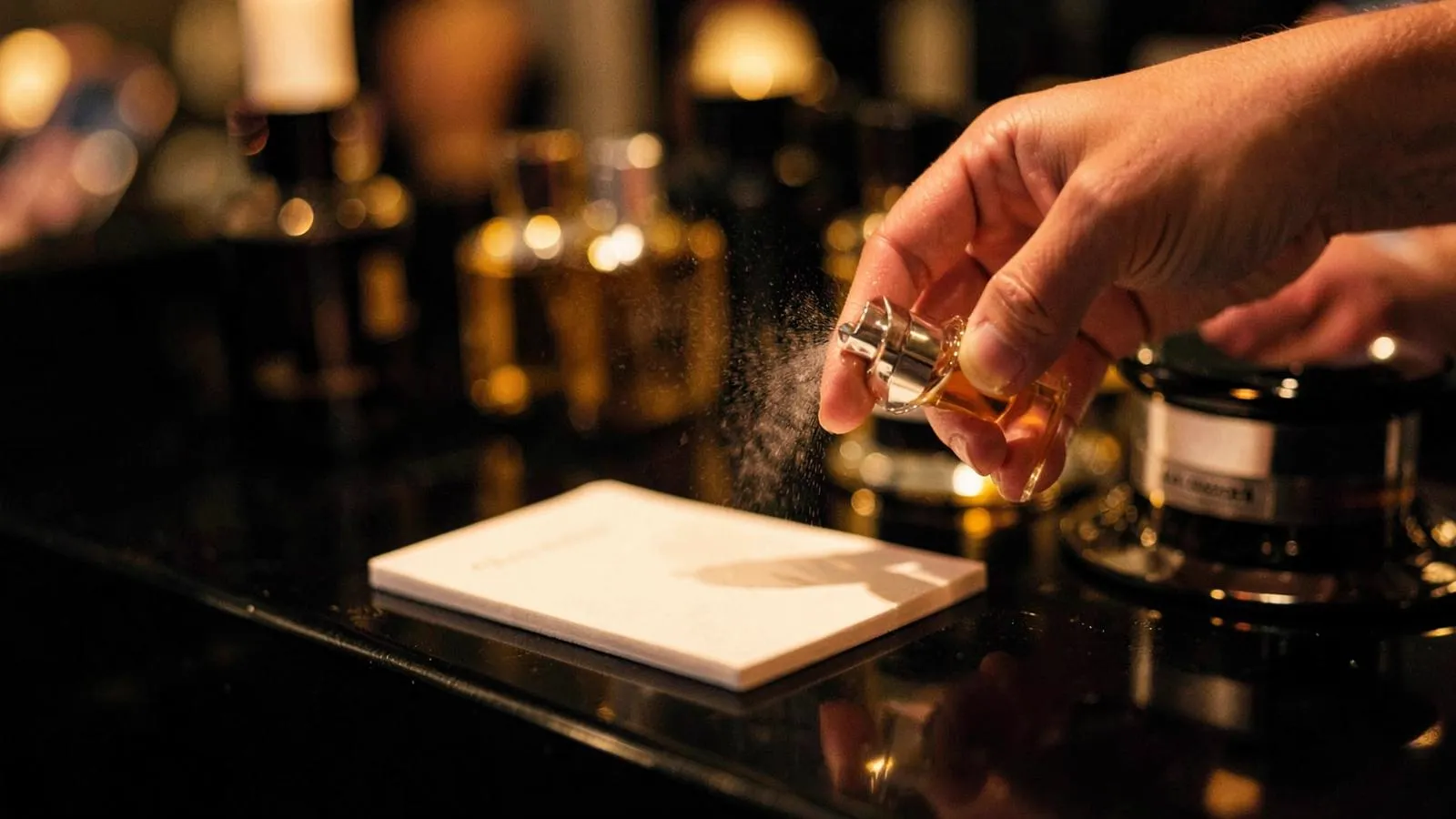
Nothing gets onto this page from a blotter strip alone. Paper tells you the opening and almost nothing else. Every fragrance here was worn on skin for at least three full days, spread across different weather and different situations - a commute, a long day indoors, an evening out, and at least one warm afternoon, because heat exposes a weak base faster than anything.
We scored each one on four things, in this order:
- Wearability. Could a normal person wear this on a normal day without thinking about it? A brilliant fragrance you never reach for is not a good buy.
- Development. Does it change over the hours, or does it hit one note and hold it flat until it disappears?
- Performance. Honest hours on skin, not marketing claims. Four to six hours is normal for a fresh eau de toilette; eight or more is genuinely strong.
- Value. What you pay per millilitre against what you get. An expensive bottle can still be good value if you use two sprays instead of six.
We also tried each one on more than one person where possible. Skin chemistry is real, though it is often exaggerated - the bigger variables are how dry your skin is and how much you apply. Dry skin burns through fragrance faster, which is why moisturising first genuinely helps.
Best everyday perfumes
The everyday category is the hardest to win. A daily scent has to be pleasant to everyone within a metre of you and still interesting to you at hour six. In 2026 the winners were soft woody-musk blends with a citrus or tea opening - clean without smelling like detergent.
Look for a structure of bergamot or mandarin at the top, a light floral or tea heart, and a base of cashmere wood, white musk and a whisper of ambroxan. That formula sounds plain written down and smells expensive on skin. Two sprays is the entire dose. If you find yourself applying six, the fragrance is too weak for you, not the other way round.
A good everyday pick should also survive a jumper. Woods and musks cling to fabric and keep releasing scent for hours, which is why a single spray on a scarf collar often outlasts three on the wrist.
Best perfumes for women
Two directions dominated women's releases this year. The first is the modern floral: jasmine, orange blossom or tuberose given a green, slightly bitter edge so it reads contemporary rather than nostalgic. These are confident daytime scents that work year-round and suit anyone who finds sweet perfumes cloying.
The second is the soft gourmand - vanilla, tonka and almond, but restrained, and usually cut with something salty, milky or woody. Compared with the sugar bombs of a few years ago, these feel personal rather than performative. They shine in cool weather and on skin that runs warm.
If you are unsure which camp you belong to, take our fragrance family quiz before you spend anything. Knowing that you are a "woody floral person" narrows a thousand bottles down to about twenty.
Best perfumes for men
Men's fragrance in 2026 moved away from the blue aquatic template that has ruled since the nineties. The strongest releases were dry and aromatic: lavender, sage and cardamom over vetiver, cedar and a touch of leather. They smell adult without smelling like your father's aftershave.
Spicy amber remains the reliable evening choice - cinnamon, tobacco and resin over a warm base. It is not subtle, so treat it as a two-spray fragrance and keep it away from small meeting rooms. For the office, a dry vetiver or a clean fig-and-cedar composition does the job with far less risk.
Categories are marketing anyway. Plenty of the year's best "men's" scents smell superb on women and the reverse is just as true. Judge the notes, not the label on the box.
Best evening and occasion scents
Evening scents get to be louder, but louder should still mean richer, not heavier. The strongest occasion fragrances this year built around oud, saffron, rose and resin - the Middle Eastern palette that western houses have been borrowing from for a decade, now handled with more confidence.
Weddings need a specific approach. You are close to people for hours, often in heat, often photographed. Choose something warm but transparent, apply it forty minutes before you leave, and do not touch it up. If you want to layer, keep it simple - one warm base and one bright top, never two heavy scents. Our layering calculator will tell you whether a pairing is likely to work before you commit to it in public.
Best value picks
Value is not the same as cheap. A £40 bottle you finish in four months costs more per wear than a £120 bottle that lasts three years because two sprays do the work of five. The honest way to compare is millilitres per wear, not the number on the price tag.
| Concentration | Typical oil load | Honest wear time | Best for |
|---|---|---|---|
| Eau de cologne | 2-5% | 2-3 hours | Hot mornings, a quick refresh |
| Eau de toilette | 5-12% | 3-5 hours | Office days, summer, gym bag |
| Eau de parfum | 12-20% | 6-9 hours | Everyday all-rounder, autumn and winter |
| Extrait / parfum | 20-30% | 8-12 hours | Evenings, cold weather, one spray only |
A higher concentration is not automatically better value, but it usually needs fewer sprays, which stretches the bottle. If you are the kind of person who reaches for a fragrance twice a day, a 30 ml eau de parfum will often outlast a 100 ml eau de toilette.
The notes defining 2026
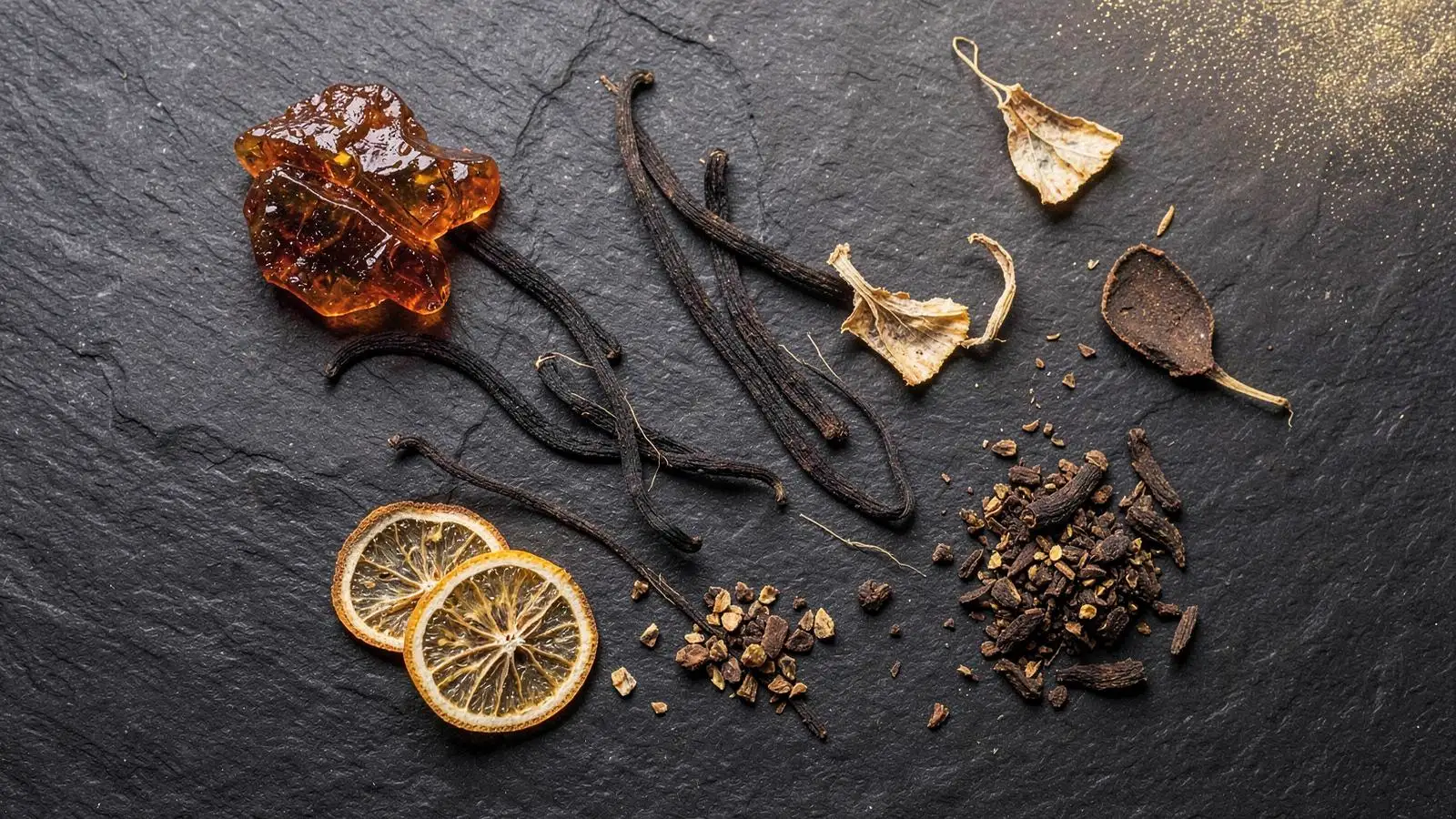
- Salty amber. A mineral, almost skin-like saltiness over warm amber. It stops sweetness from turning sickly.
- Dry iris. Powdery, cool and slightly earthy. Iris is expensive, so its presence usually signals a serious formula.
- Green fig. Milky fruit plus green leaf. Fresh without the sharp citrus that vanishes in an hour.
- Smoky tea. Lapsang-style smokiness that reads as sophisticated rather than campfire.
- Restrained oud. Used as a shadow behind rose or saffron rather than the whole picture.
If a note name means nothing to you, the notes finder explains what each one actually smells like in plain language, which is far more useful than a brand's poetry about moonlit gardens.
How to choose one that suits you
Start with your life, not the bottle. Write down the three situations you most need a fragrance for - the commute, the dinner, the wedding in July. Most people only need two bottles: a quiet daily one and a richer evening one. Everything beyond that is collecting, which is fine, but it is a hobby rather than a need.
Then follow this order and you will rarely regret a purchase:
- Identify your family - fresh, floral, woody, oriental or gourmand.
- Shortlist three to five bottles inside it, not across all of them.
- Test on skin, one at a time, and never judge in the first ten minutes.
- Live with the strongest candidate for three days using a sample or decant.
- Check the cost per millilitre, then buy the smallest size you will realistically finish.
Buying the biggest bottle to "save money" is the most common expensive mistake in fragrance. Perfume degrades, tastes change, and a 100 ml bottle is around a thousand sprays. Very few people finish one.
Mistakes to avoid
- Rubbing your wrists together. It crushes the top notes and shortens the life of the whole thing. Spray and let it dry.
- Testing more than three at once. Your nose gives up after about three. Coffee beans do not reset it; fresh air and a break do.
- Storing bottles in the bathroom. Heat and humidity age perfume faster than time does. A dark drawer is far better.
- Buying blind from a review. Including ours. Reviews narrow the field; your skin makes the decision.
- Over-applying. If you can smell yourself all day, everyone else is getting far too much. Two to four sprays is the range.
Questions people ask
What is the best perfume of 2026 overall?
There is no single answer, and anyone giving you one is guessing. The best perfume of 2026 for you is the one that matches your climate, your routine and how much attention you want. If we had to name one direction, it is the soft woody-amber family - it flatters the widest range of skin types and suits both day and evening.
How many sprays should I use?
Two to four for an eau de parfum, three to five for a lighter eau de toilette, and one for an extrait. Apply to the neck, chest and one wrist rather than clouding the air and walking through it - most of that lands on the floor.
Do expensive perfumes last longer?
Sometimes, but concentration matters far more than price. A well-made eau de parfum will usually outlast a designer extrait that is heavy on citrus. Check the concentration on the box before you assume anything.
Is it worth buying samples first?
Almost always. A few pounds spent on samples saves the far larger cost of a full bottle you wear twice. Three days of real wear tells you more than an hour in a shop ever will.
When should I switch fragrances through the year?
Follow the temperature, not the calendar. Heat amplifies sweetness and projection, so lighter, fresher scents work above roughly twenty degrees. Cold air mutes everything, which is when richer ambers and woods come into their own.
How long does an open bottle stay good?
Three to five years for most, longer for heavy amber and oud compositions, shorter for bright citrus. Kept away from light and heat, an unopened bottle can outlast that comfortably.
Where to go next
Read more long-form fragrance writing in the blog, or narrow your shortlist with the free perfume tools.